
DIGITAL PRODUCT & UX DESIGN
UX That Shapes Strategy
ClientDatamaranServicesDigital Product & UX DesignYear2014-2026LinkDatamaran.com
Designing Decisions: Five Generations of Product UX
Summary
I led product UX design across five generations of the Datamaran ESG platform, evolving from old‑school wireframing to AI‑vibe‑coded prototypes, while growing a multidisciplinary design team and collaborating with product, engineering, and client‑facing units to solve real‑world ESG challenges. Through in‑person user forums, iterative agile development, and direct client involvement, I helped turn complex data into intuitive interfaces and the first online materiality assessment, which companies like Nike, Amazon, Decathlon, and Philips embedded into their Annual Financial Reports, showing how UX can move from the screen into the core of corporate strategy and reporting.
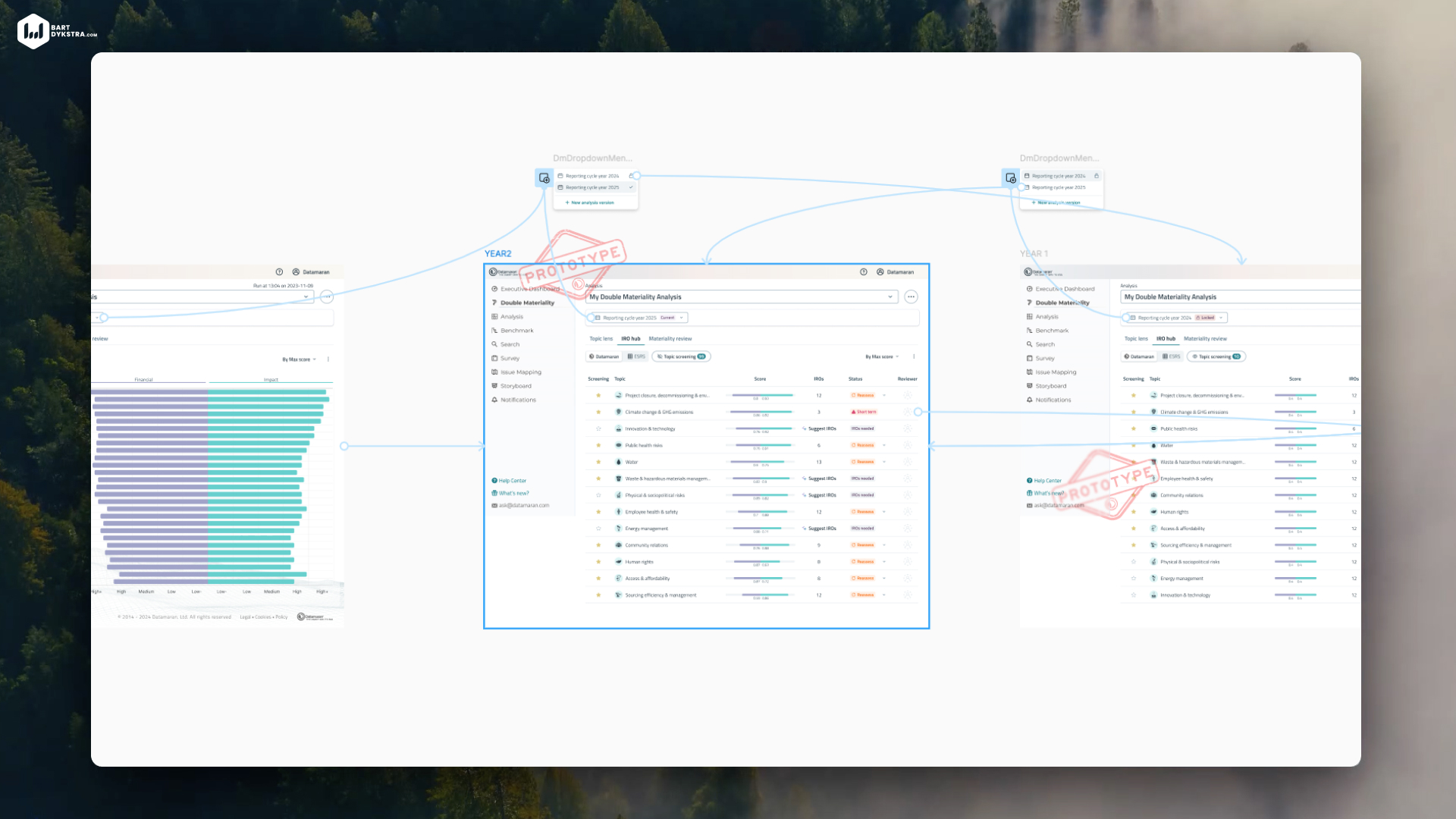
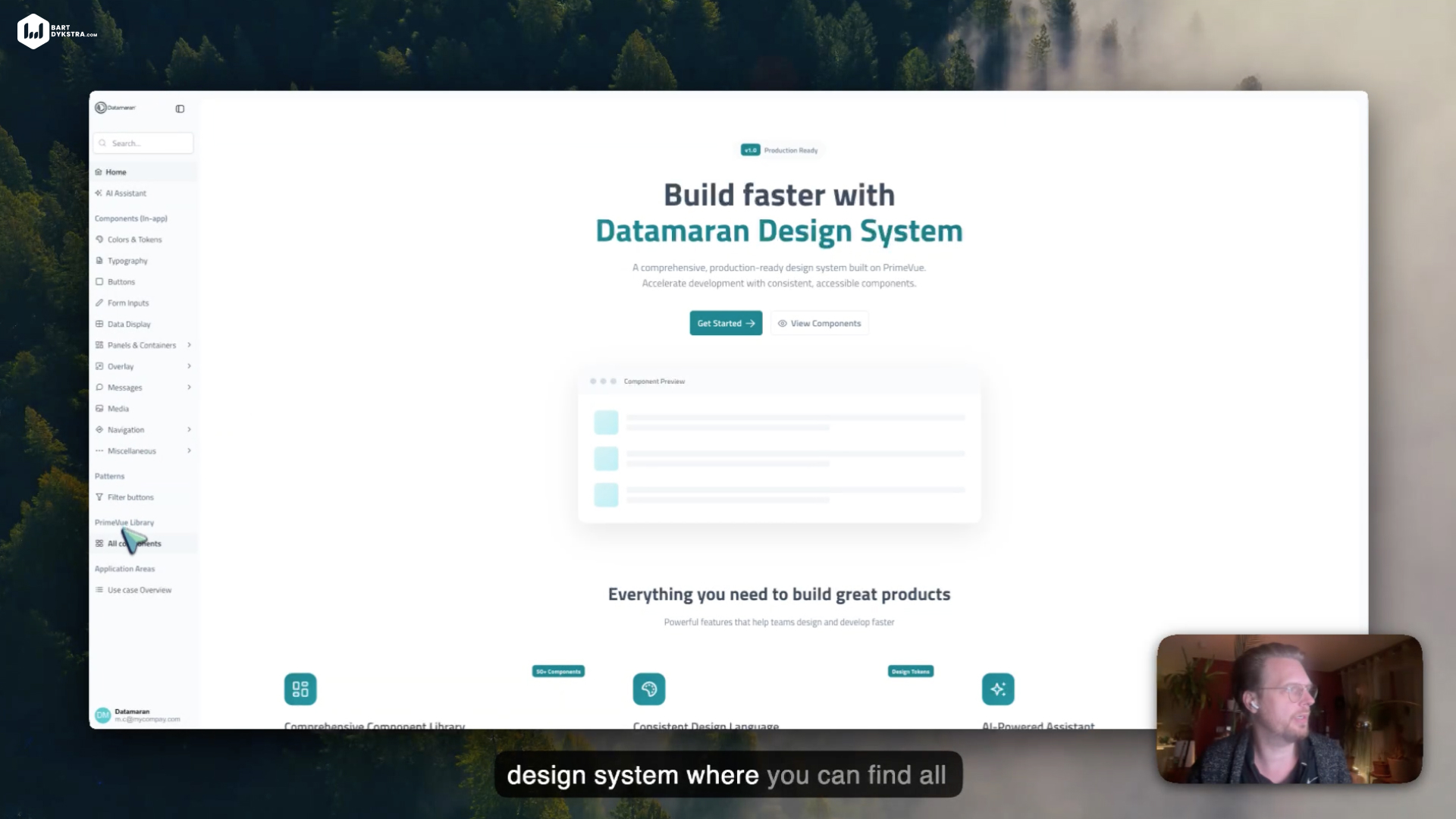
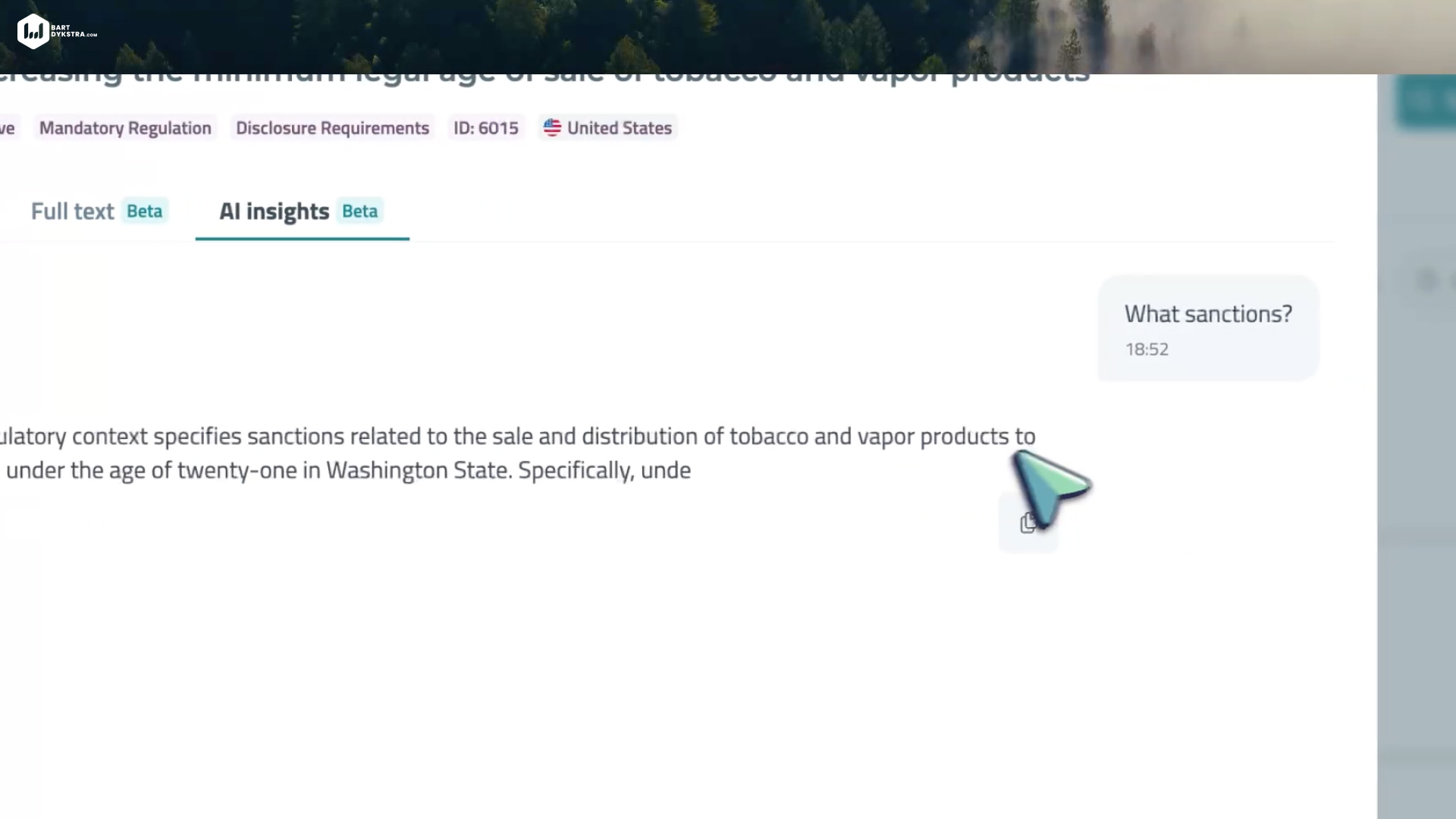
Design systems, from wireframing to AI-assisted interfaces
From wireframes to AI‑driven decisions
During my time at Datamaran, I led product UX design across five generations of the platform, each shaped by evolving regulatory landscapes, stakeholder expectations, and technological shifts. From the earliest wireframes to today’s AI‑assisted interfaces, I saw how UX design transformed from abstract concepts into a living, data‑driven decision environment used by Fortune 500 leaders. Each generation built on the last, tightening the connection between risk, strategy, and visual storytelling, while remaining deeply rooted in cross‑functional collaboration between product, engineering, data science, and sustainability experts. This evolution also coincided with the growth of the design team itself, from a small group of product designers into a mature function that included UX researchers, marketing designers, and even early‑adoption prompt engineers as AI started to shape workflows. That growth mirrored how UX moved from being a “feature add‑on” to a core driver of the product and of the company’s strategic positioning.
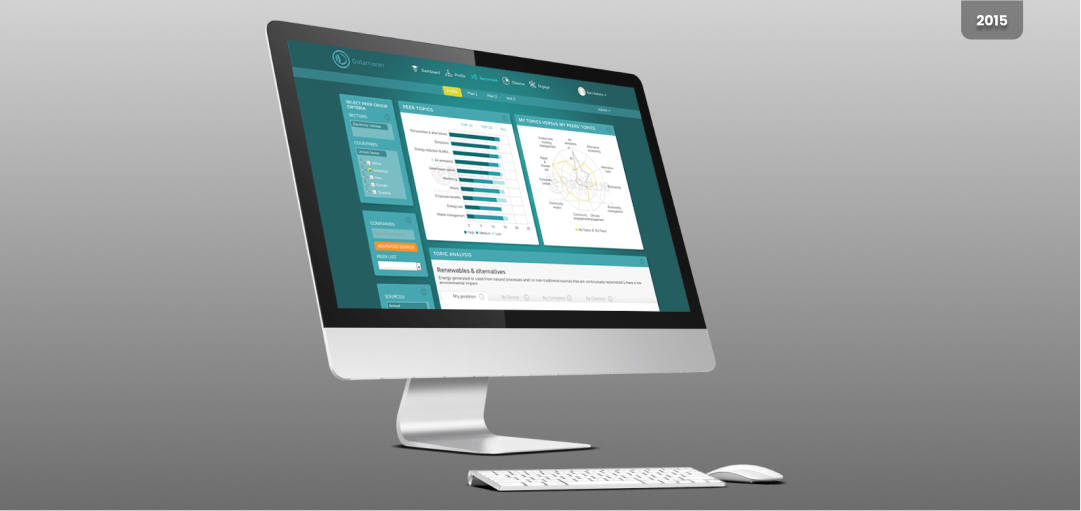
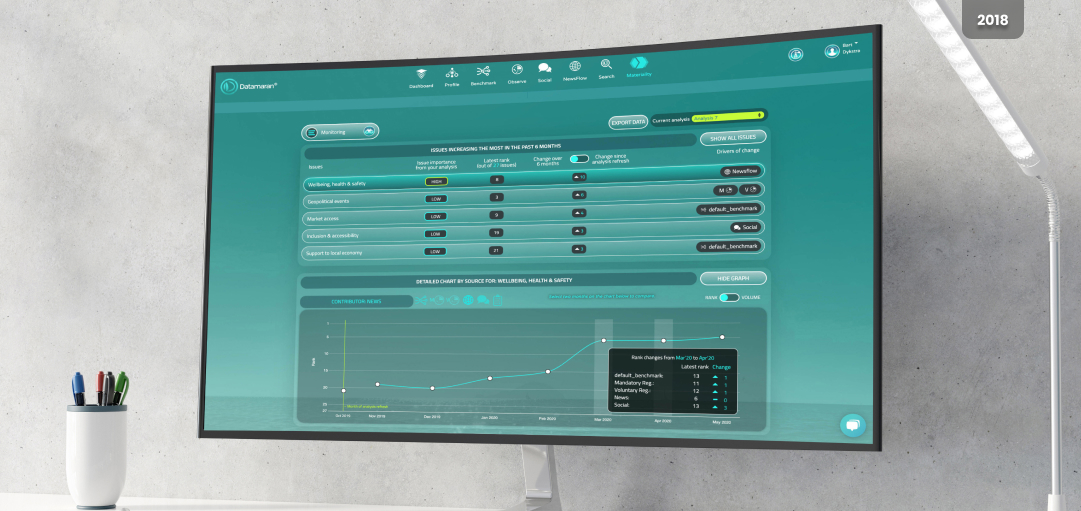
Early years product UX design evolution from 2015 to 2018
ESG as a continuous decision environment
Datamaran’s platform helps organisations monitor risks and opportunities across regulatory landscapes, benchmark data, stakeholder expectations, and emerging trends at scale. Clients use it to scan legislation, standards, and market signals, then translate that noise into structured priorities and strategic actions. From a UX perspective, my role was to make this complexity feel manageable, designing dashboards, filters, and workflows that let risk, compliance, and sustainability teams see what matters, when it matters, and why it matters. By framing the platform as a continuous decision environment rather than a one‑off reporting tool, we enabled clients to treat ESG not as a side function, but as an integral part of strategy and governance. This required not only technical understanding, but also deep collaboration with client‑facing teams, consulting units, and customer success, to ensure that product decisions were grounded in real‑world client‑centric issues.
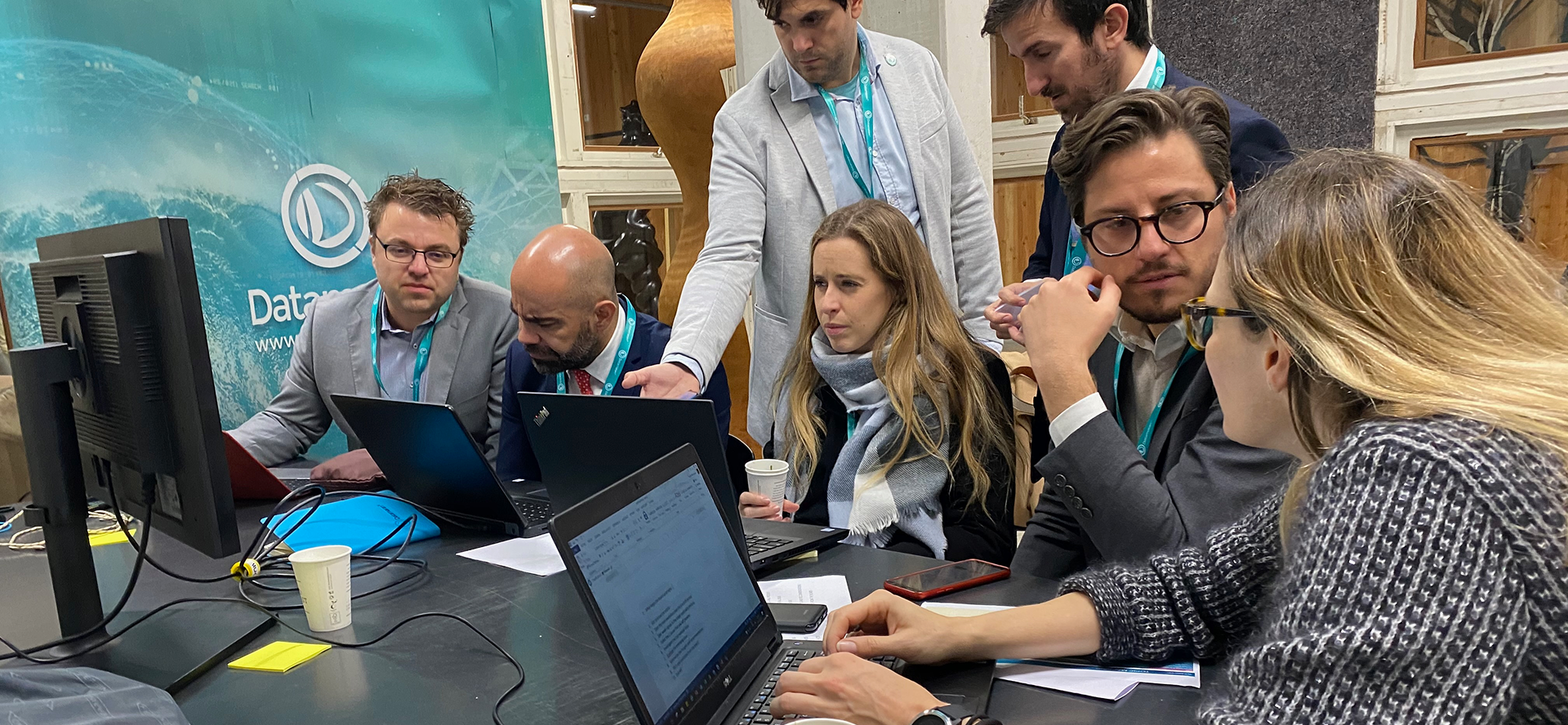
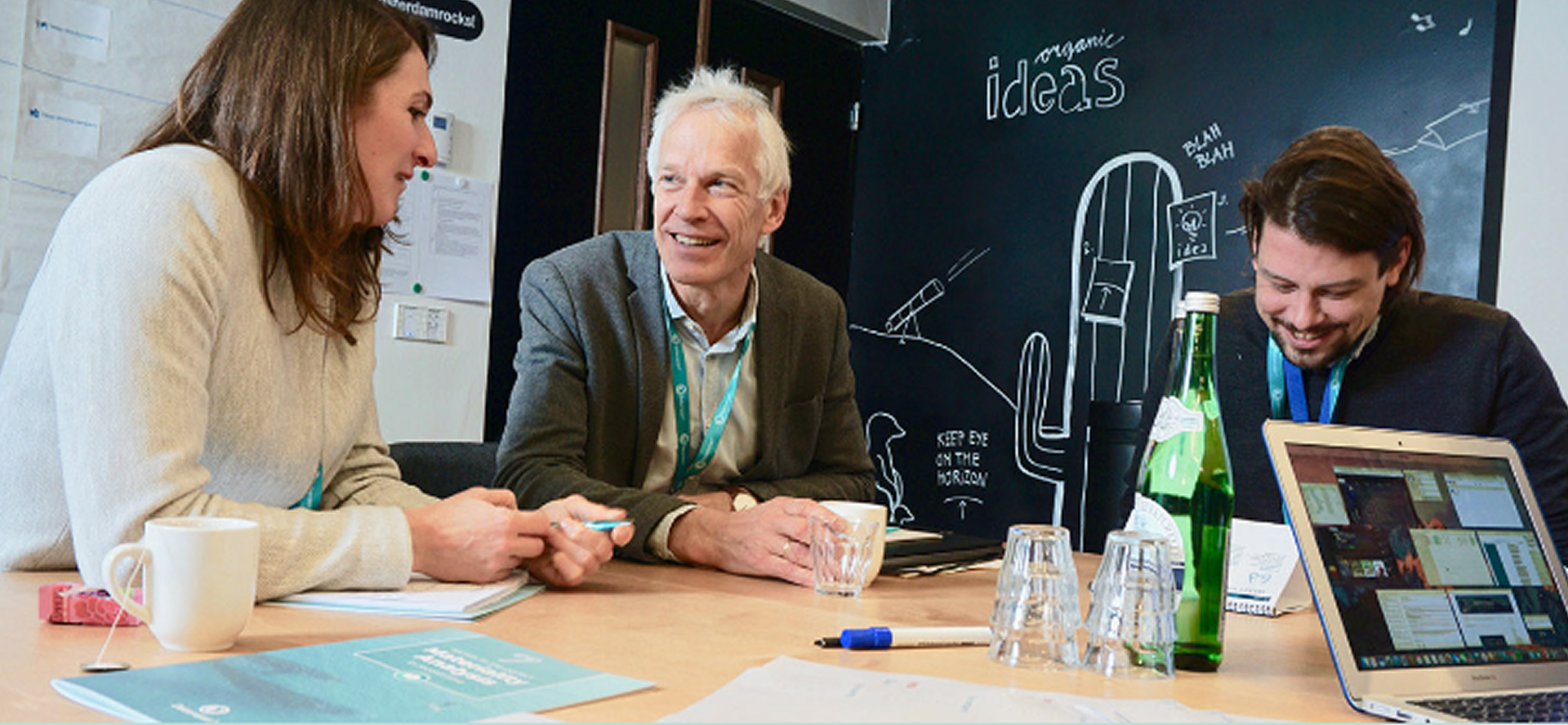
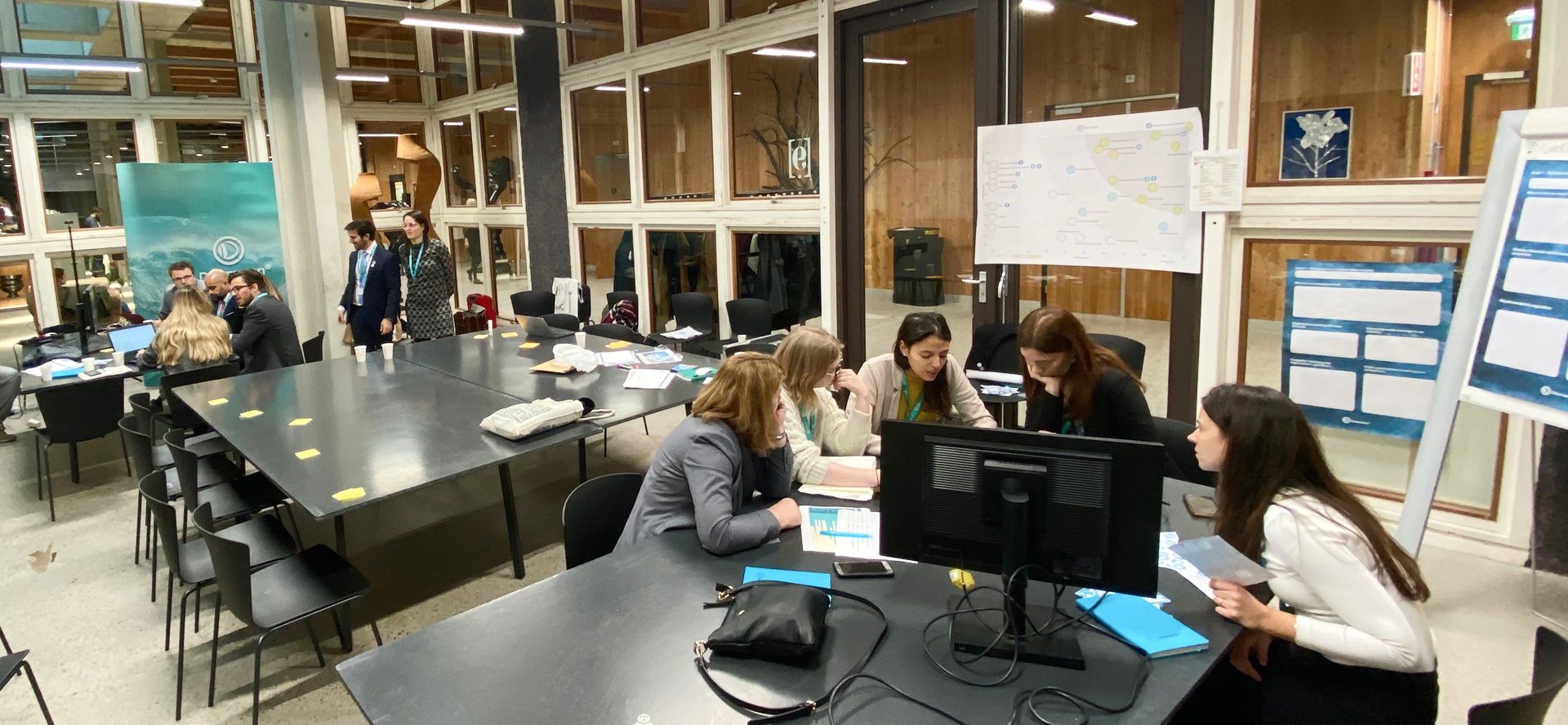
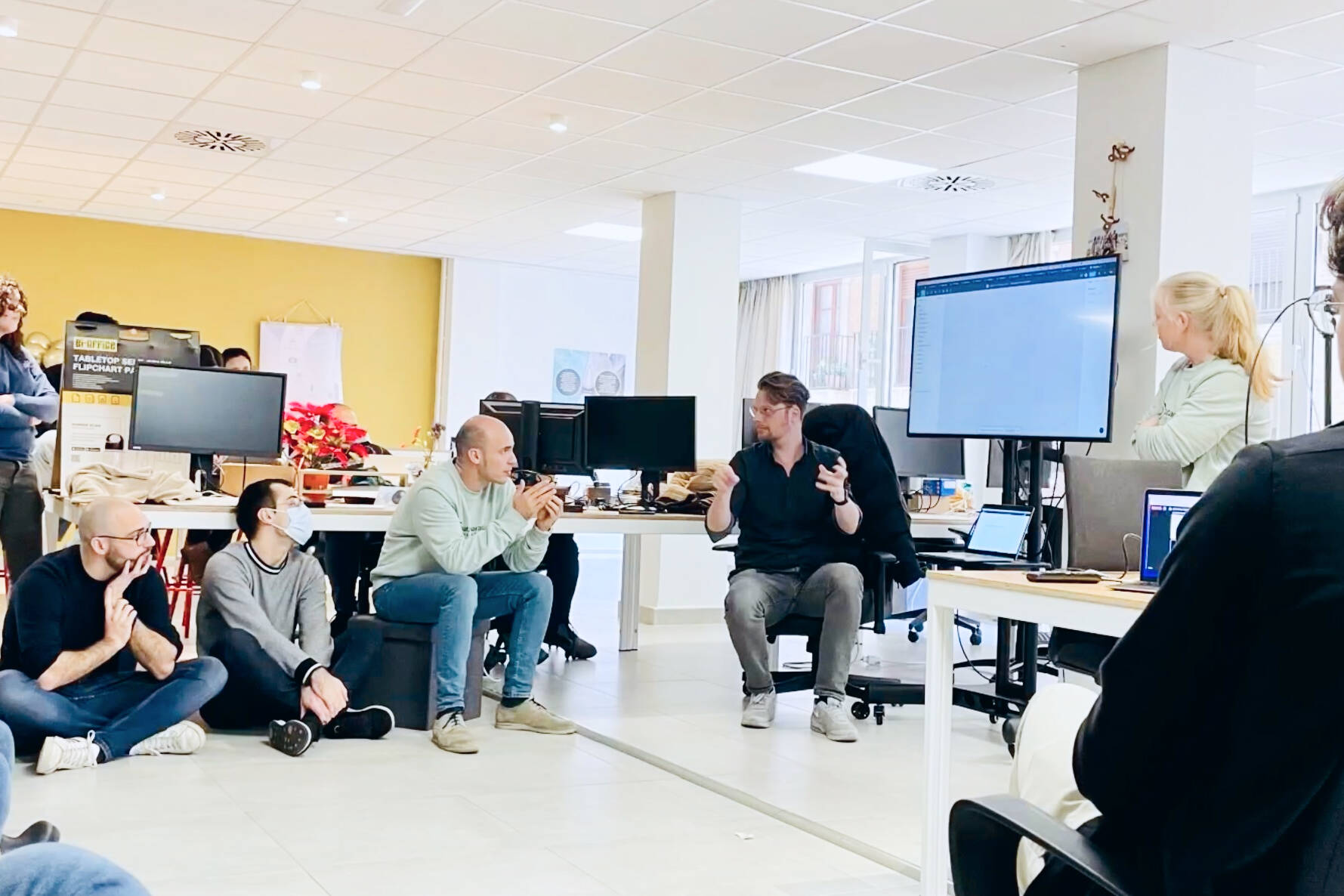
User Forums hosting client-centric sessions for product discovery, UX testing, and new features onboarding to increase client success
From workshops to a mature design function
The journey began in the platform’s early stages, where UX design lived in hand‑drawn wireframes and workshop notes, translating complex ESG topics into simple, navigable flows. As the product matured, we moved into Figma, treating the design system as a shared language between product, brand, and engineering. This shift allowed us to centralize patterns, tokens, and interactions so changes could be rolled out consistently across teams in Valencia, New York, London, and the Netherlands. Cross‑functional alignment became explicit, with product managers bringing market signals, engineers sharing technical constraints, and designers translating both into intuitive flows that non‑technical executives could trust. Alongside this, the design team grew in size and in scope, taking on responsibility not just for screens, but for end‑to‑end product discovery, data visualization, and brand presentation.
Prototyping at the speed of insight
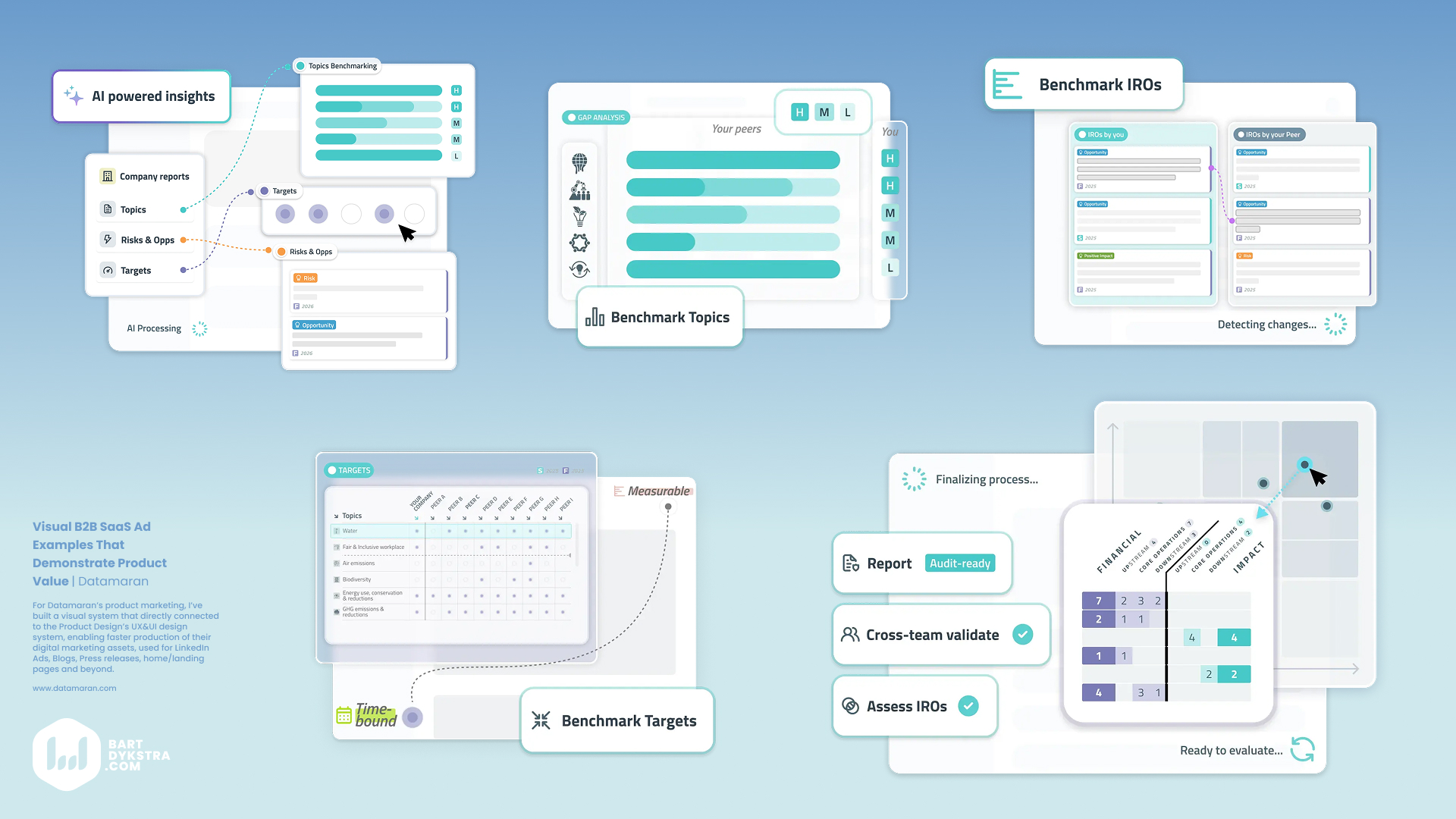
As the platform evolved into its third and fourth generations, AI‑assisted and “vibe‑coded” prototypes started to reshape how quickly we could validate ideas. I worked closely with data scientists and product teams to turn rough prompts and AI‑generated layouts into testable screens, often within hours instead of days. This acceleration did not replace craft, but redirected it: instead of debating layout minutiae, we focused on problem‑framing, user journeys, and edge cases. Cross‑functional collaboration thrived in this environment, because anyone could contribute to an early prototype, and user research sessions became the true north‑star for decisions. Regular in‑person user forums with clients, partners, and internal stakeholders became a core ritual, helping us align on priorities, test assumptions, and refine the roadmap together. That constant loop with clients also shaped how we practiced agile development, treating each sprint as a small experiment with measurable learning outcomes.
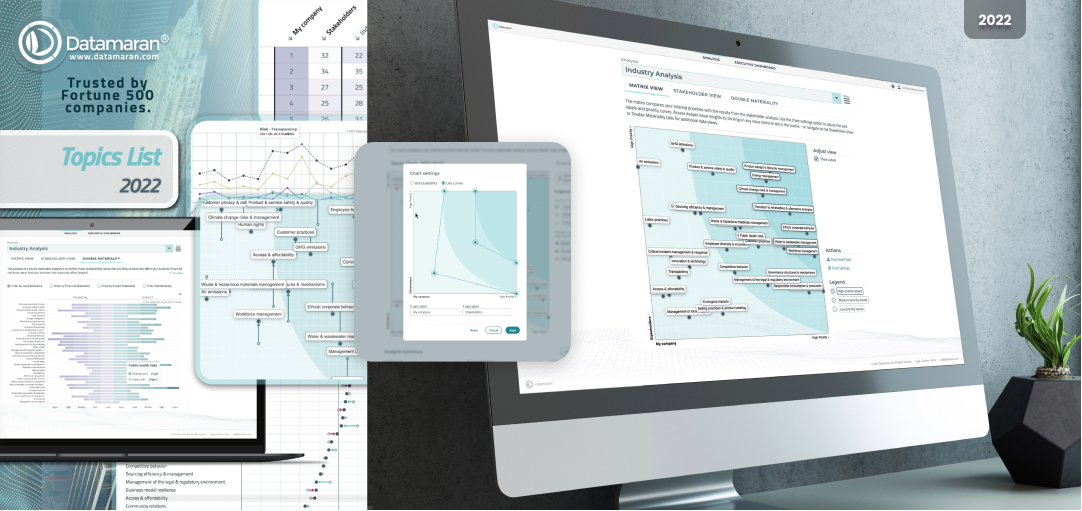
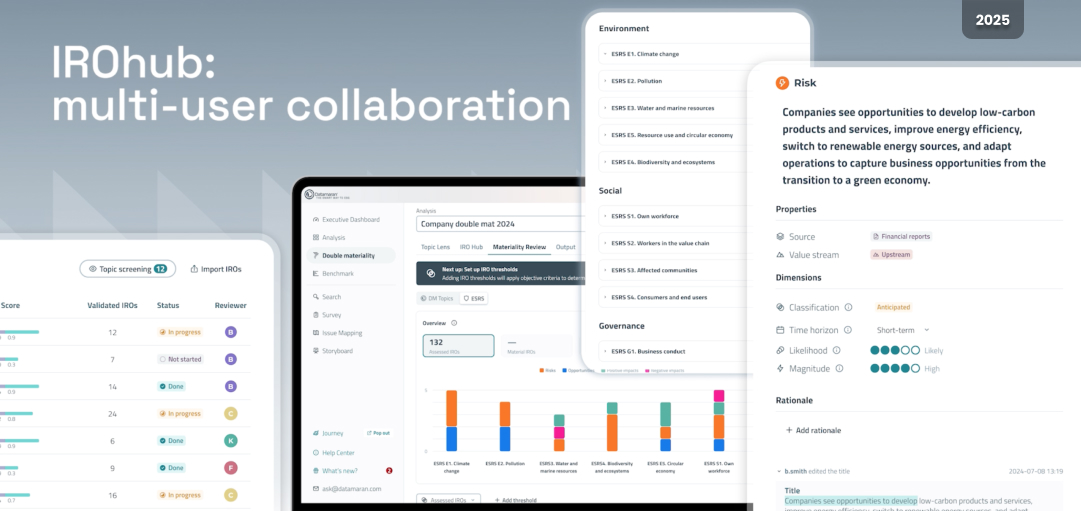
Continued product UX design evolution from 2022 to 2025+
Materiality made visible in Annual Reports
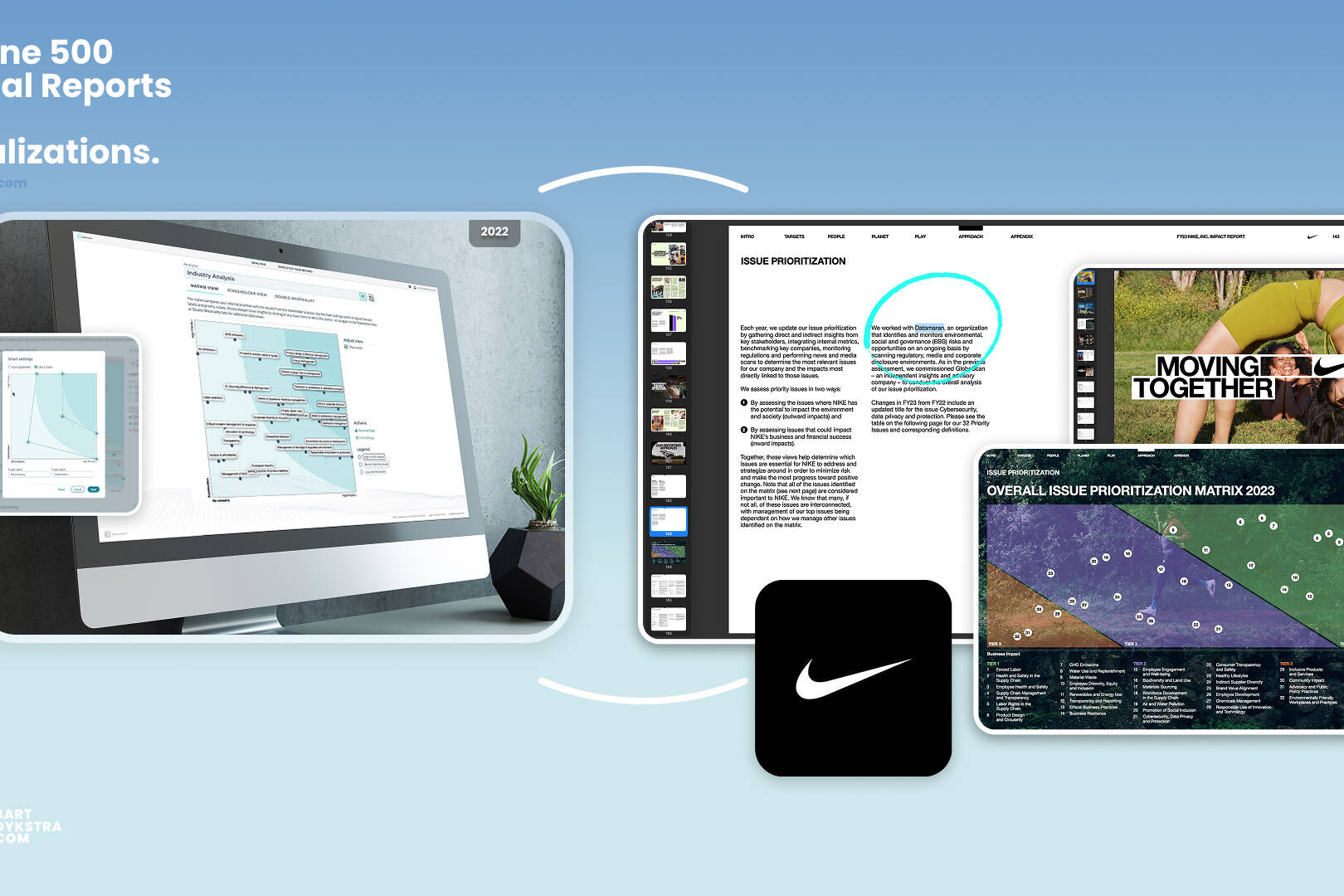
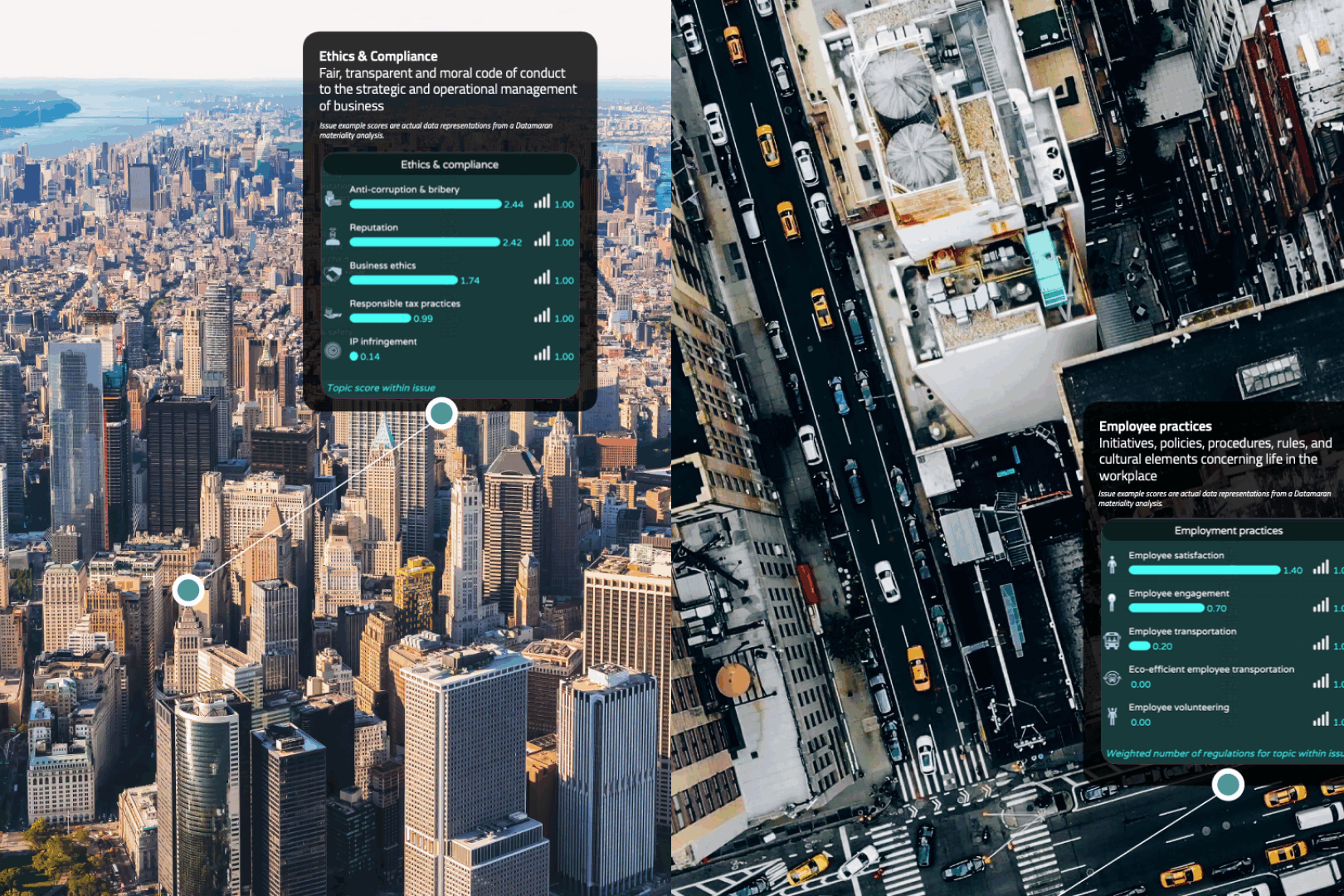
A defining moment in the platform’s evolution was the creation of the first online materiality assessment, a product UX that turned abstract ESG topics into structured, quantitative analyses. I designed the interface so that users could rank issues, drag and drop priorities, and see immediate visual feedback on what mattered most to their stakeholders. When companies like Nike, Amazon, Decathlon, Philips, and others began using these materiality outputs not just internally, but as the backbone of their Annual Financial Reports, it confirmed that UX design had moved beyond the screen and into the world of corporate reporting and strategy. Those data visualizations—charts, heatmaps, and issue rankings—became the bridge between our platform and real‑world impact, proving that carefully designed UX could become part of the fabric of how global organisations communicate with investors and stakeholders.
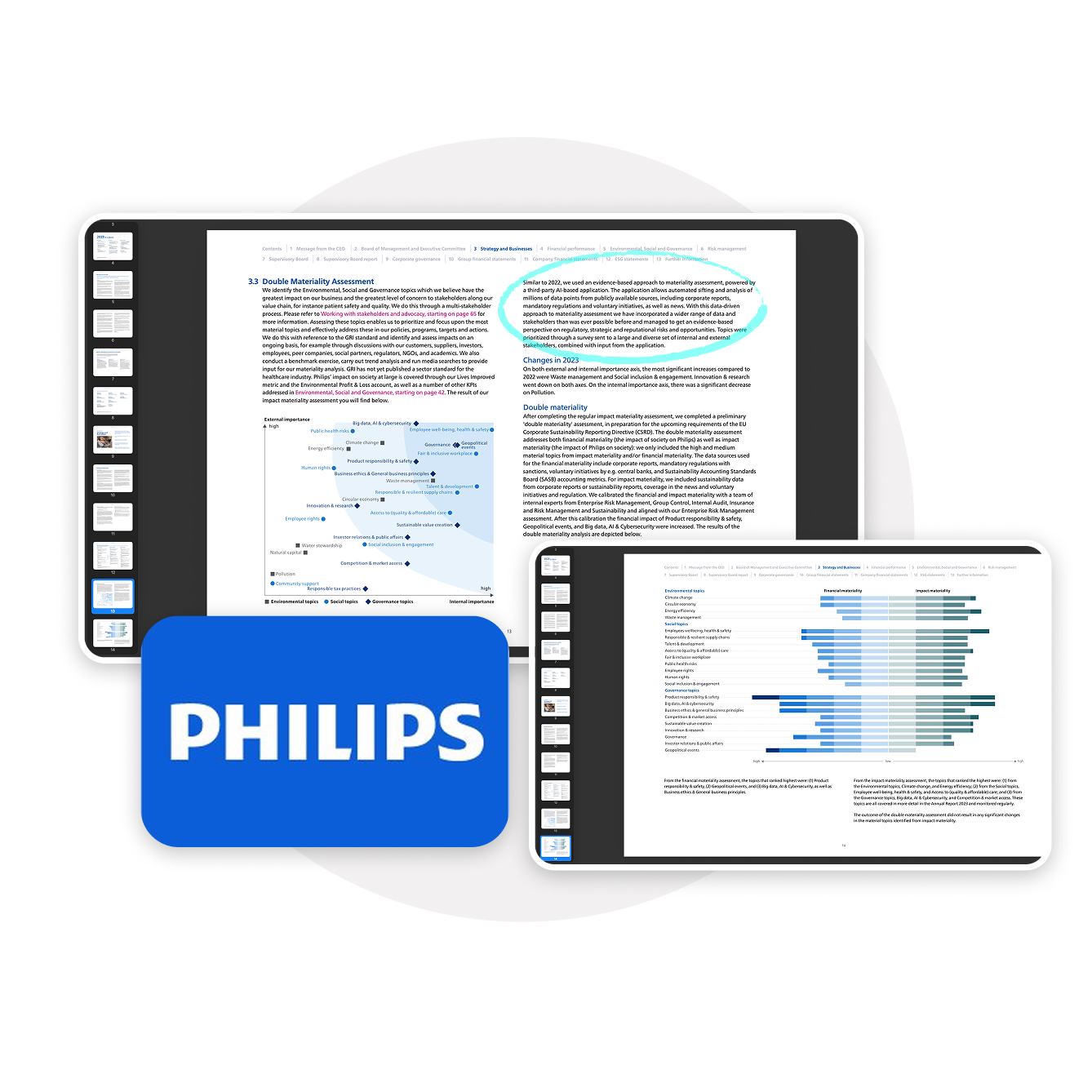
Philips’ Annual Report illustrating matrix and tornado charts.
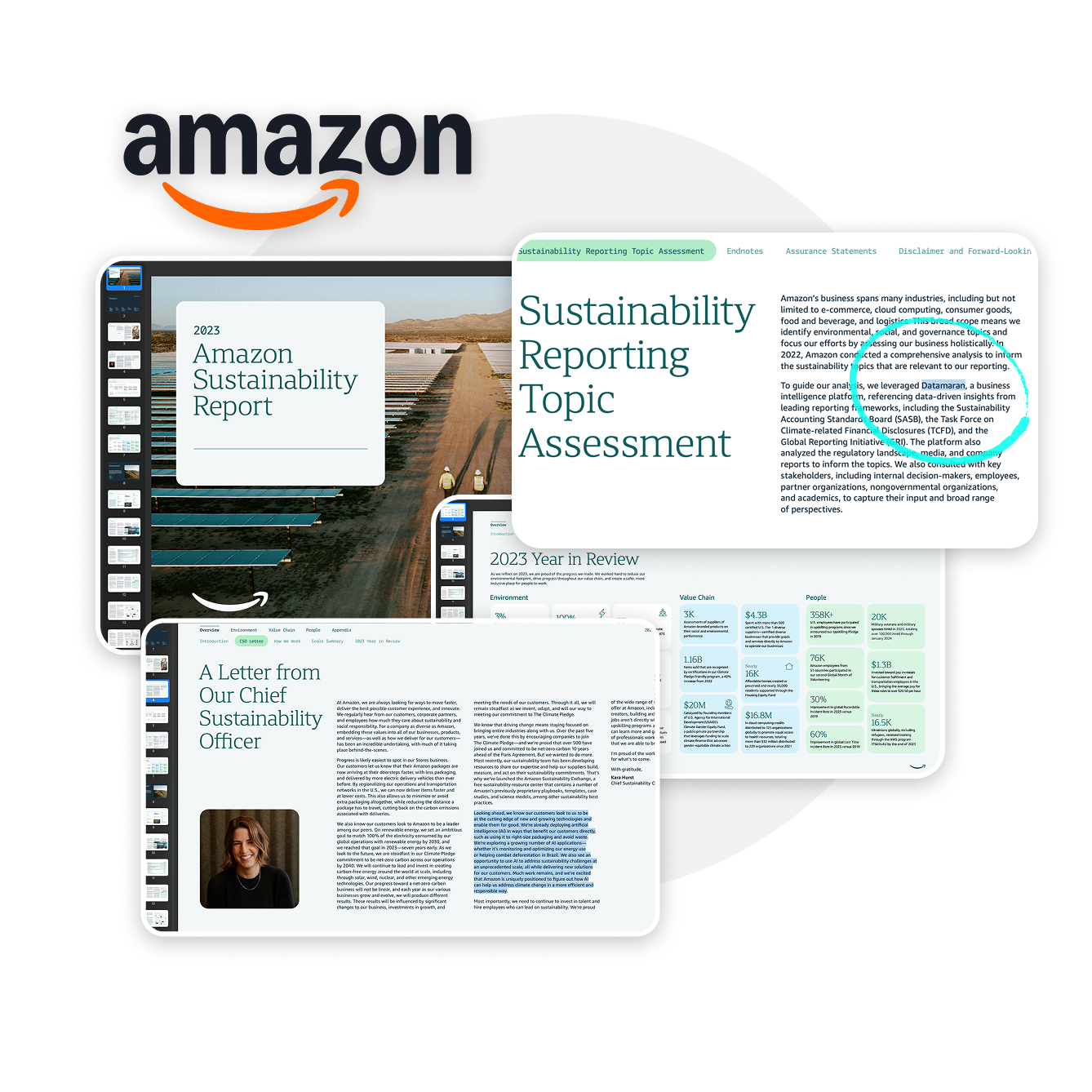
Amazon’s Sustainability Report mentioning using Datamaran.
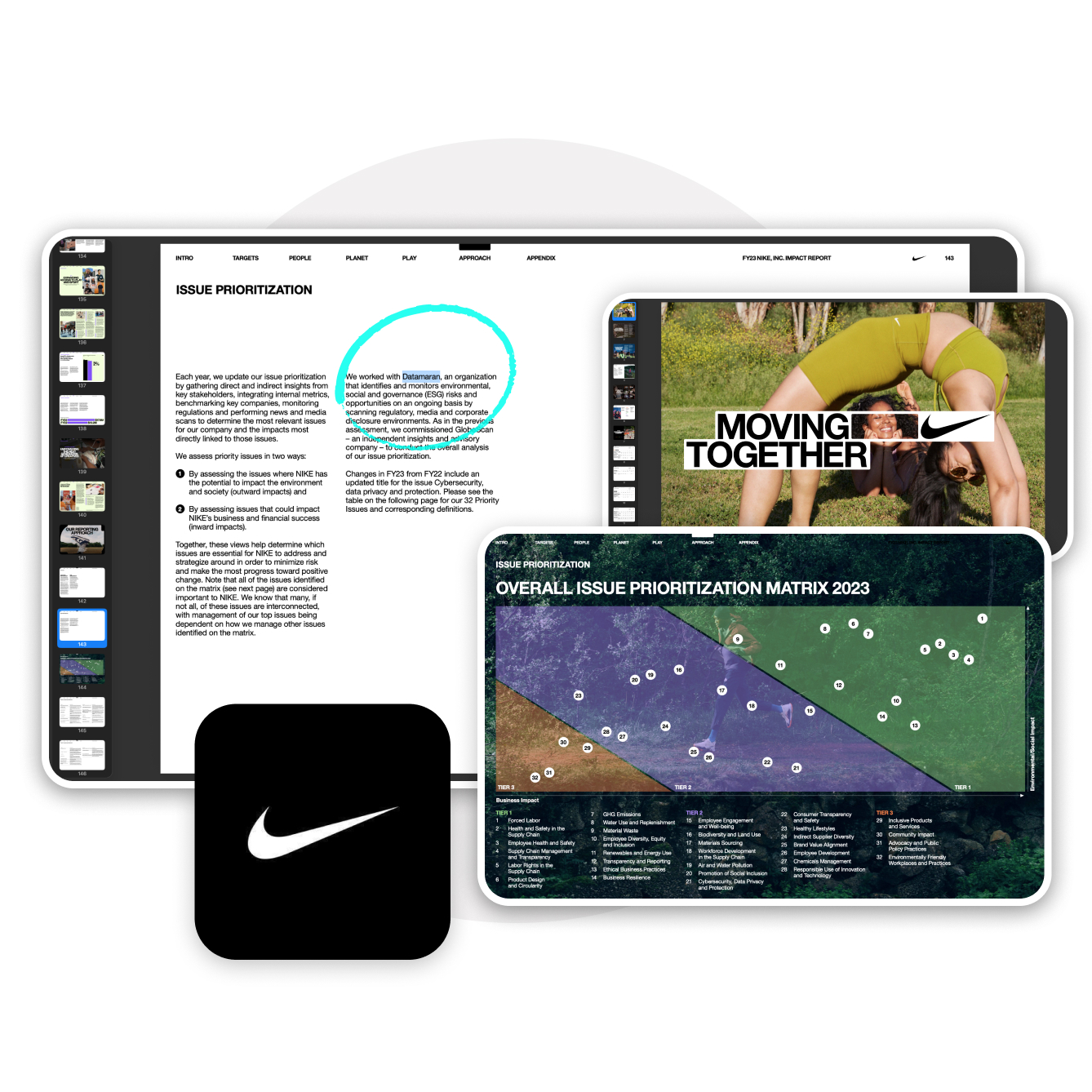
NIKE’s Impact Report ’23, mentioning Datamaran, and illustrating matrix chart.
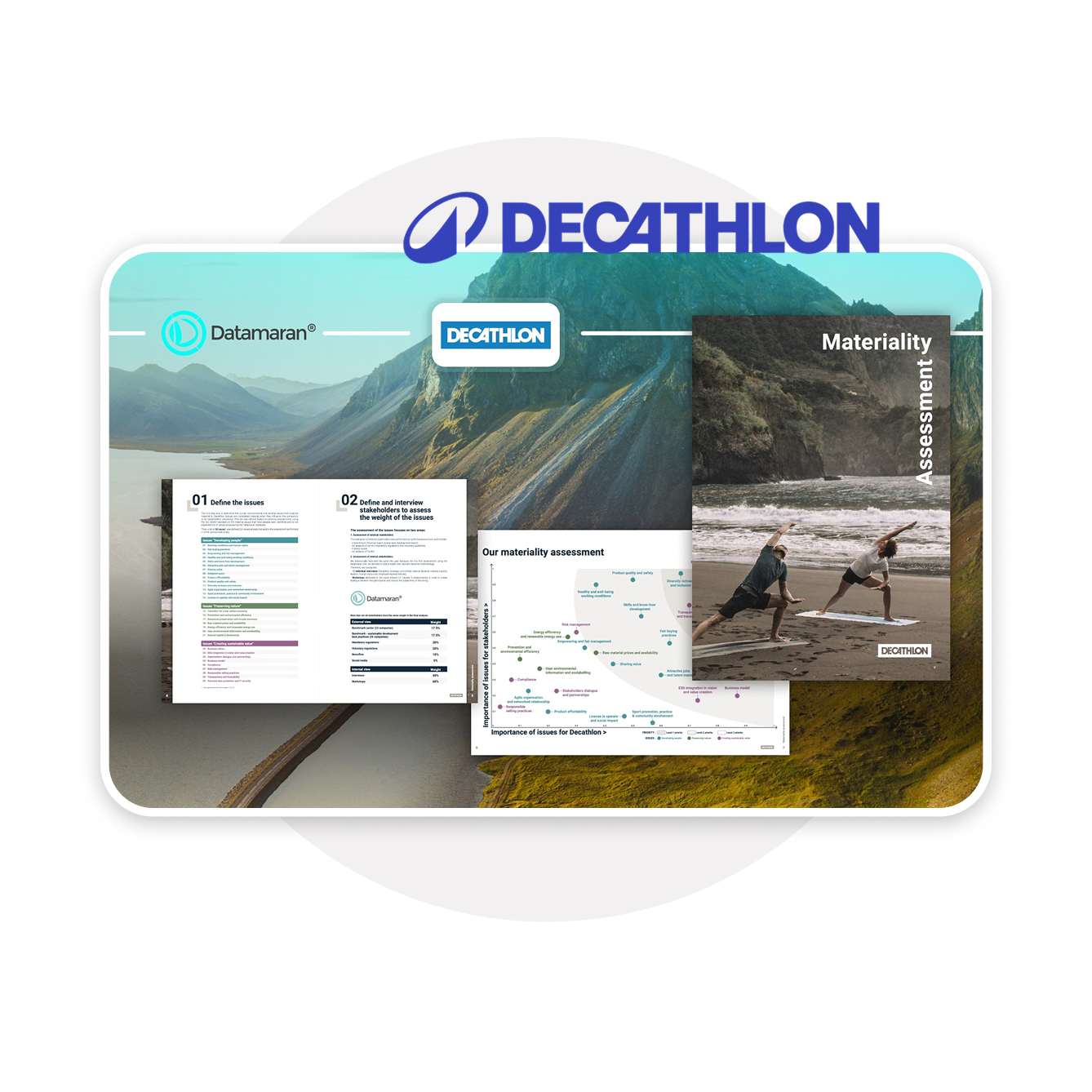
Decathlon publishing Datamaran logo and matrix visualisation in their Materiality Assessment report.
UX as a trusted decision partner
By the fifth generation, the platform functioned as a living, AI‑augmented decision environment where UX design orchestrated trust, clarity, and speed. I worked with product managers to frame AI‑driven recommendations, with marketers to translate insights into client‑facing stories, and with data scientists to ensure visualizations were both technically sound and narratively compelling. Witnessing how Fortune 500 companies applied these visualizations into their Annual Reports reinforced a core belief: that product UX design is not just about usability, but about creating systems that people can rely on when making consequential decisions. Through design team growth, ongoing collaboration with cross‑functional business units, and direct client involvement in iterative, agile development, this evolution taught me that great UX is born from collaboration, context, and the courage to iterate relentlessly.
Anticipating intent, shaping decisions
In that phase of the work, UX hinged on upfront intelligence that knew the user’s roles, workflows, and goals, and then learned alongside them. Instead of forcing people to bend to the system, we designed orchestrated experiences where data, AI, and interfaces anticipated intent, surfaced the right signals, and reduced friction precisely where it hurt most. The result was not just faster value delivery, but deeper alignment between the user’s real objectives and the way the product behaved, turning trust into the true currency of the experience. In that sense, the product became not just a tool, but a trusted partner in decision‑making, where design quietly shaped how people felt, thought, and acted over time.
Datamaran’s Brand & Product video campaign 2021
Design that echoes beyond the interface
Another key lesson from this journey is that representation of the product through product marketing videos, client onboarding, visuals, and testimonials is just as important as the interface itself. When Fortune 500 companies took the data visualisations produced by the platform and used them directly in their Annual Reports, it proved that design thinking had closed the loop from internal product logic to external brand impact. Designing brand and product experiences now means shaping coherence at every touchpoint: from the look of the dashboard, to how the product is framed in marketing videos, to the way clients talk about it in reports or hear a custom composed waiting tune when they call the company. In that sense, the brand lives not in a style guide, but in how every interaction, digital, editorial, and human, reinforces the same underlying story, up to the moment the client’s ink mentions the brand in their annual report.